
This Browned Butter Banana Bread takes a classic favorite to the next level with the rich, nutty flavor of browned butter, naturally sweet ripe bananas, and a touch of sour cream for a beautifully moist, tender crumb. Easy to make and full of flavor, it’s delicious on its own or with optional chocolate chips and toasted nuts for a little extra indulgence.
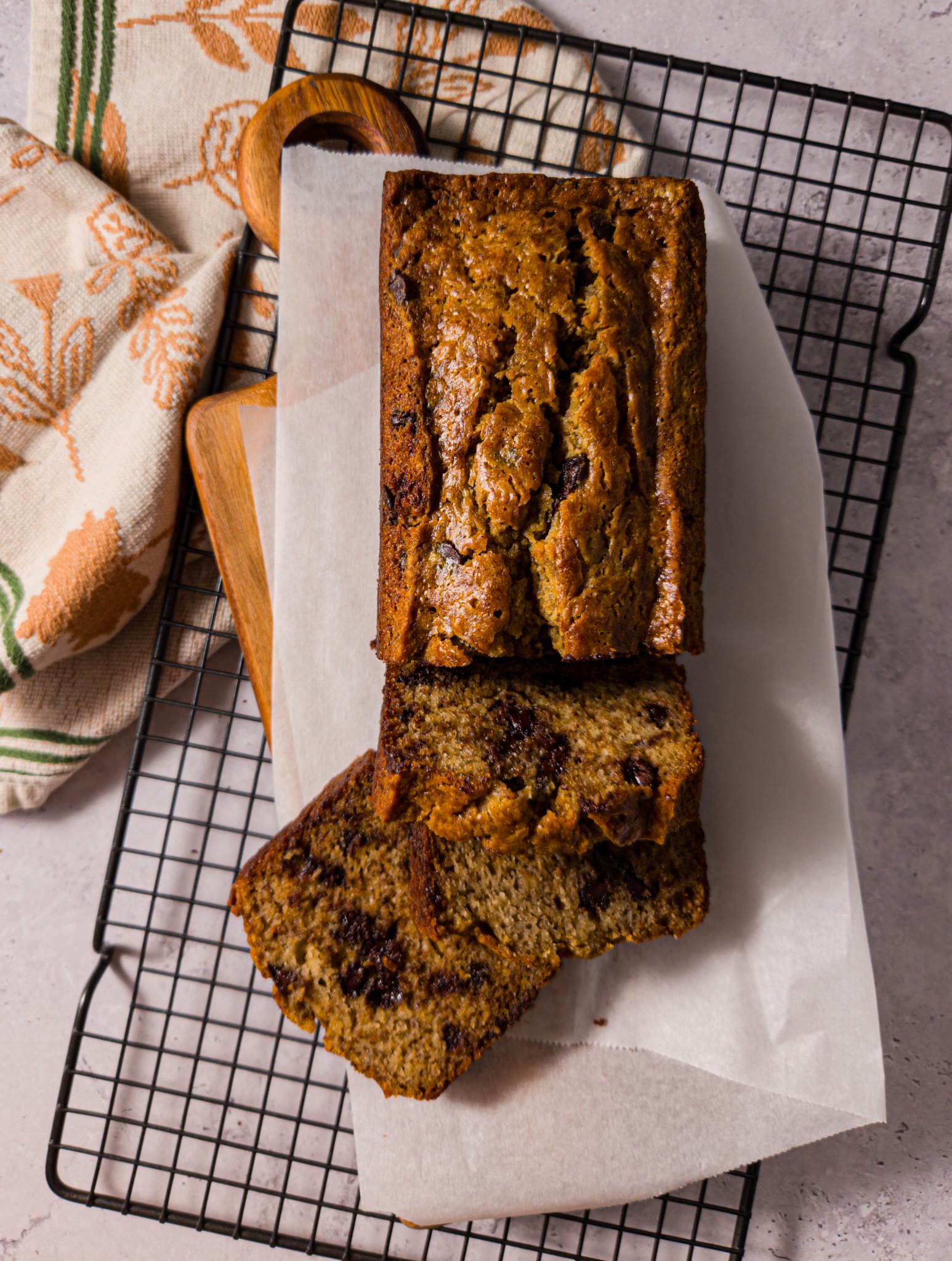
Brown Butter Banana Bread
Ingredients
- 140 g browned unsalted butter (finished weight; approximately 165–175 g butter before browning)
- 300 g very ripe bananas, peeled and mashed (about 4 bananas total)
- 138 g granulated sugar
- 2 large eggs
- 60 g (¼ cup) full-fat sour cream
- 1 tsp vanilla extract
- 213 g all-purpose flour
- 3/4 tsp baking soda
- 1 tsp kosher salt
Optional Add-Ins
- 100-125 g semi-sweet or dark chocolate chips
- 60-80 g chopped walnuts or pecans, preferably lightly toasted
Instructions
- Prepare the oven and pan.Preheat the oven to 350°F (175°C). Lightly grease a 9 × 4-inch loaf pan and line it with parchment paper, leaving some overhang for easy removal.
- Brown the butter.Melt approximately 165–175 g unsalted butter in a light-colored saucepan over medium heat. Continue cooking, swirling or stirring frequently, as the butter foams and the milk solids begin to brown. Once the butter develops a deep golden-brown color and a rich, nutty aroma, immediately remove it from the heat.Transfer to a heatproof bowl, scraping in the browned milk solids. Weigh out 140 g of finished browned butter and allow it to cool until warm but no longer hot.
- Prepare the bananas.In a separate bowl, mash the ripe bananas with a fork until mostly smooth. A few small pieces are fine.
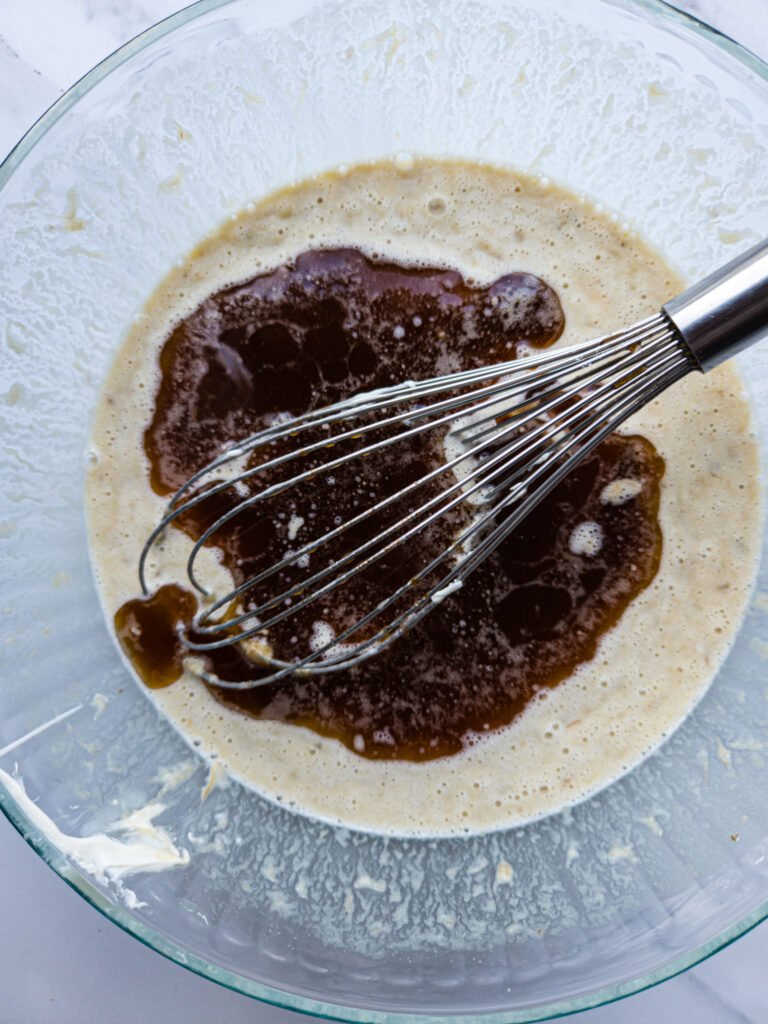
- Combine the butter and sugar.In a large mixing bowl, whisk together the cooled browned butter and granulated sugar for approximately 30–45 seconds. The mixture should be glossy but may remain slightly grainy.
- Incorporate the wet ingredients.Add the eggs one at a time, whisking thoroughly after each addition until the mixture becomes cohesive and slightly thickened.Whisk in the sour cream and vanilla extract until evenly incorporated. Add the mashed bananas and stir to combine.
- Combine the dry ingredients.In a separate bowl, whisk together the flour, baking soda, and kosher salt.
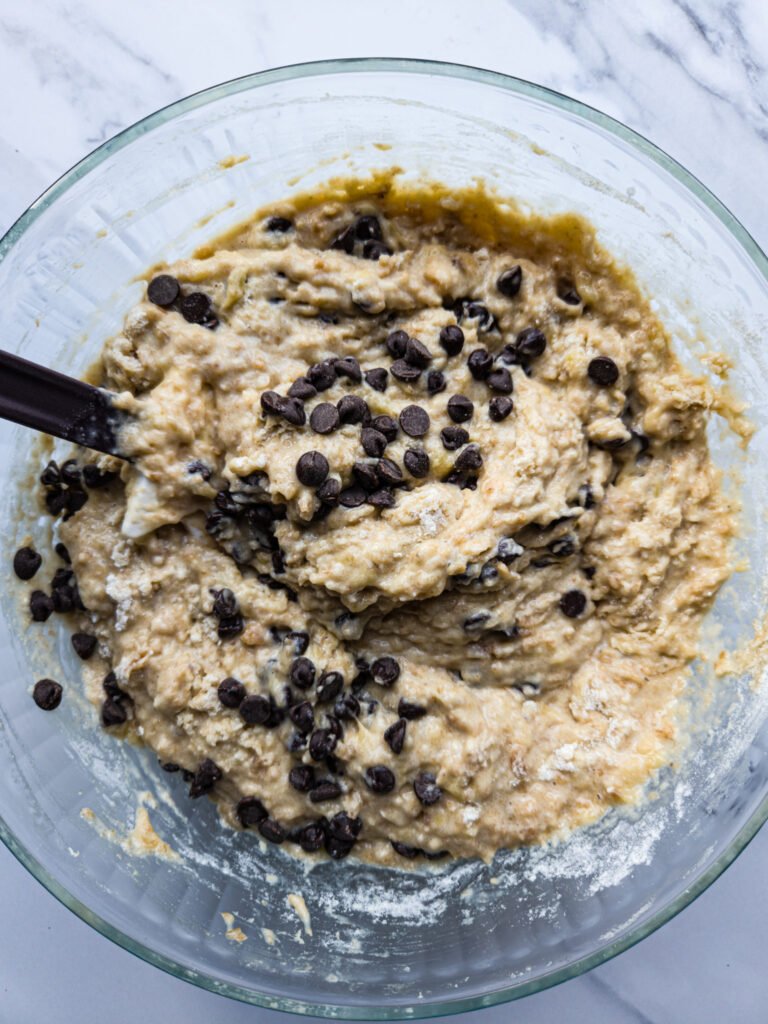
- Finish the batter.Add the dry ingredients to the wet ingredients. Using a silicone spatula, gently fold until the flour is just incorporated. Avoid overmixing, which can produce a dense or rubbery crumb.If using chocolate chips or nuts, fold them in when the flour is almost fully incorporated. Reserve a small handful for topping, if desired.
- Bake.Transfer the batter to the prepared loaf pan and smooth the surface. Scatter any reserved chocolate chips or nuts over the top.Bake for approximately 60–70 minutes, beginning to check at 55 minutes. The loaf is ready when a toothpick inserted into the center comes out without wet batter, and the top is deeply golden brown.For additional accuracy, the center should register approximately 200–205°F (93–96°C).
- 9. Cool and serve.Allow the banana bread to cool in the pan for approximately 15–20 minutes before transferring it to a wire rack.Let cool further before slicing to allow the crumb to set properly.
Why This Recipe Works
A great banana bread should be moist, tender, and full of banana flavor without being overly sweet or heavy. This recipe builds on those qualities with a few simple ingredients that make a noticeable difference.
- Browned butter adds depth. Cooking butter until its milk solids turn golden brown develops rich, toasted, nutty flavors that complement the natural sweetness of ripe bananas.
- Sour cream keeps the crumb tender. A small amount of full-fat sour cream adds moisture, richness, and subtle acidity without overpowering the banana flavor.
- Ripe bananas provide natural sweetness. Using very ripe bananas delivers a more pronounced banana flavor and helps keep the bread moist.
- Balanced sweetness lets the ingredients shine. Granulated sugar provides sweetness without introducing stronger molasses flavors that might compete with the browned butter.
- Gentle mixing produces a tender texture. Folding the dry ingredients into the wet ingredients just until combined limits gluten development, helping prevent a tough or rubbery loaf.
What Is Browned Butter?
Browned butter, also known as beurre noisette, is simply butter cooked until its milk solids turn golden brown and develop a distinctive nutty aroma.
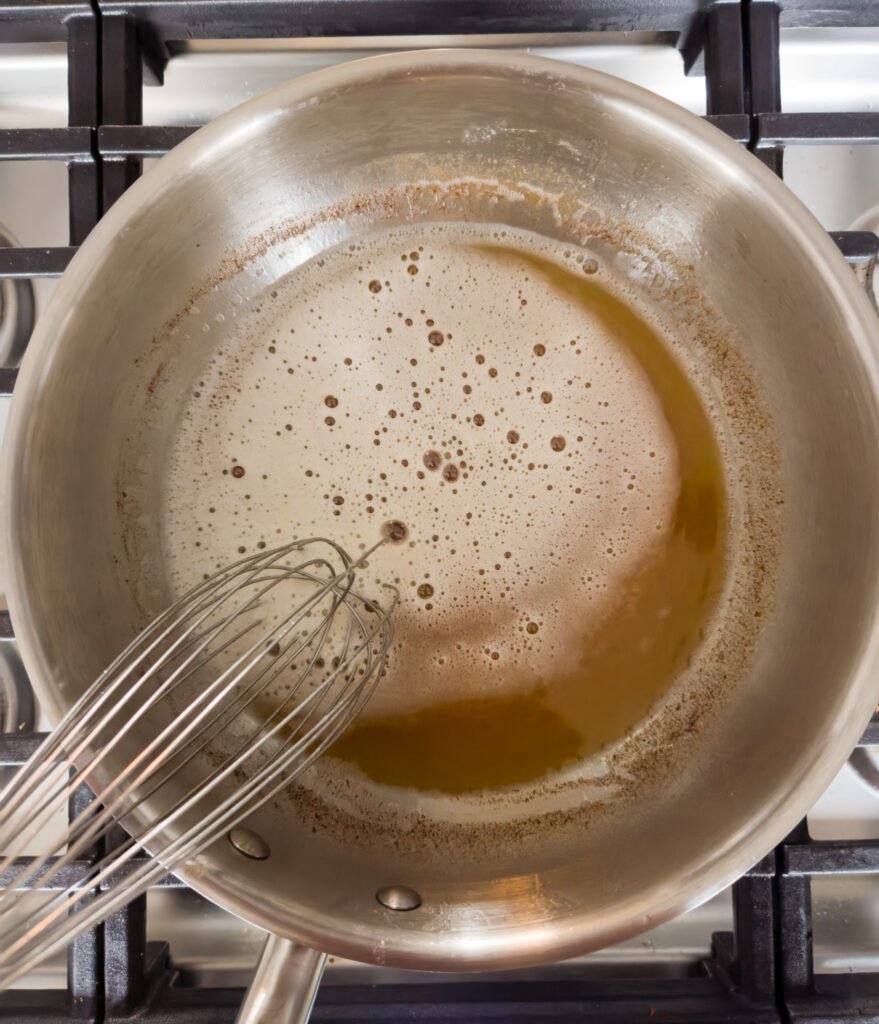
As the butter heats, its water evaporates and the milk solids begin to brown through the Maillard reaction, creating deeper, more complex flavors than ordinary melted butter.
The process is straightforward, but timing matters. Once the milk solids begin to brown, they can quickly go from perfectly toasted to burnt.
Tips for Perfect Browned Butter
- Use a light-colored saucepan. This makes it easier to monitor the color of the milk solids as they brown.
- Keep the butter moving. Stir or swirl the pan frequently to encourage even browning and prevent scorching.
- Watch for visual and aromatic cues. The butter will foam and eventually develop golden-brown flecks with a toasted, nutty aroma.
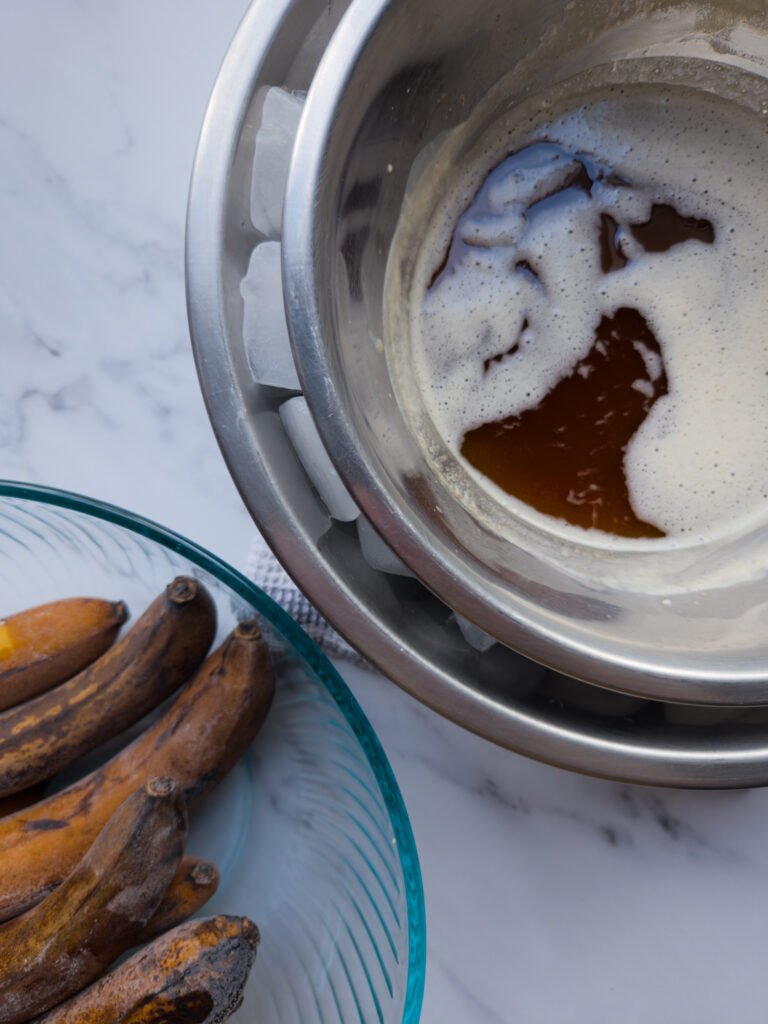
- Remove it from the heat promptly. Transfer the butter to a heatproof bowl once it reaches the desired color to prevent residual heat from burning the milk solids.
- Don’t discard the browned bits. Those toasted milk solids contain much of the flavor that makes browned butter special.
Important: This recipe calls for 140 g of finished browned butter. Because butter loses water during cooking, you’ll need to begin with approximately 165–175 g of unsalted butter and weigh the finished amount.
Ingredient Notes
Bananas
Very ripe bananas are essential for developing the best flavor and texture. Look for bananas with heavily speckled or mostly brown skins that feel soft when gently pressed.
This recipe uses 300 g of peeled bananas, rather than specifying a fixed number. Banana sizes vary considerably, and weighing them helps ensure consistent results.
Sour Cream
Full-fat sour cream contributes moisture, fat, and a subtle tang that balances the sweetness of the bananas and richness of the browned butter.
Although the amount is relatively small, it helps create the soft, tender crumb that makes this banana bread particularly enjoyable.
For the closest substitution, plain full-fat Greek yogurt can be used, although its acidity, moisture content, and resulting texture may differ slightly.
Granulated Sugar
Granulated sugar provides clean sweetness without competing with the browned butter’s nutty flavor.
Brown sugar can also work in banana bread, but its molasses notes introduce another layer of flavor. This recipe intentionally uses granulated sugar to keep the banana and browned butter at the forefront.
Chocolate Chips and Nuts
Chocolate chips and nuts are entirely optional. The banana bread is flavorful enough to stand on its own, but both additions work particularly well with the browned butter.
Semisweet or dark chocolate chips introduce pockets of chocolate throughout the loaf, while walnuts and pecans add texture and complement the butter’s toasted flavor.
For the best results, lightly toast the nuts before adding them to the batter. Allow them to cool before folding them in.
Tips for the Best Banana Bread
1. Weigh your ingredients.
Baking is sensitive to ingredient ratios, particularly when working with moisture-rich ingredients like bananas. Using a kitchen scale for the flour, bananas, and browned butter produces more consistent results.
2. Allow the browned butter to cool slightly.
The butter should be warm and fluid, but not hot, when incorporated into the batter. This helps prevent the eggs from cooking prematurely and makes mixing easier.
3. Mix the wet ingredients thoroughly.
Whisking the eggs into the butter and sugar mixture helps create a cohesive batter and distribute the fat evenly.
4. Avoid overmixing once the flour is added.
Excessive mixing develops gluten, which can result in a tough or rubbery crumb. Fold the dry ingredients into the wet ingredients only until no significant streaks of flour remain.
5. Don’t rely exclusively on baking time.
This recipe was tested in a 9 × 4-inch loaf pan and baked for approximately 65 minutes at 350°F (175°C). Different ovens and pan dimensions can affect baking time.
Begin checking around 50 minutes. A toothpick inserted into the center should come out without wet batter. If using an instant-read thermometer, aim for approximately 200–205°F (93–96°C) in the center.
6. Let the loaf cool before slicing.
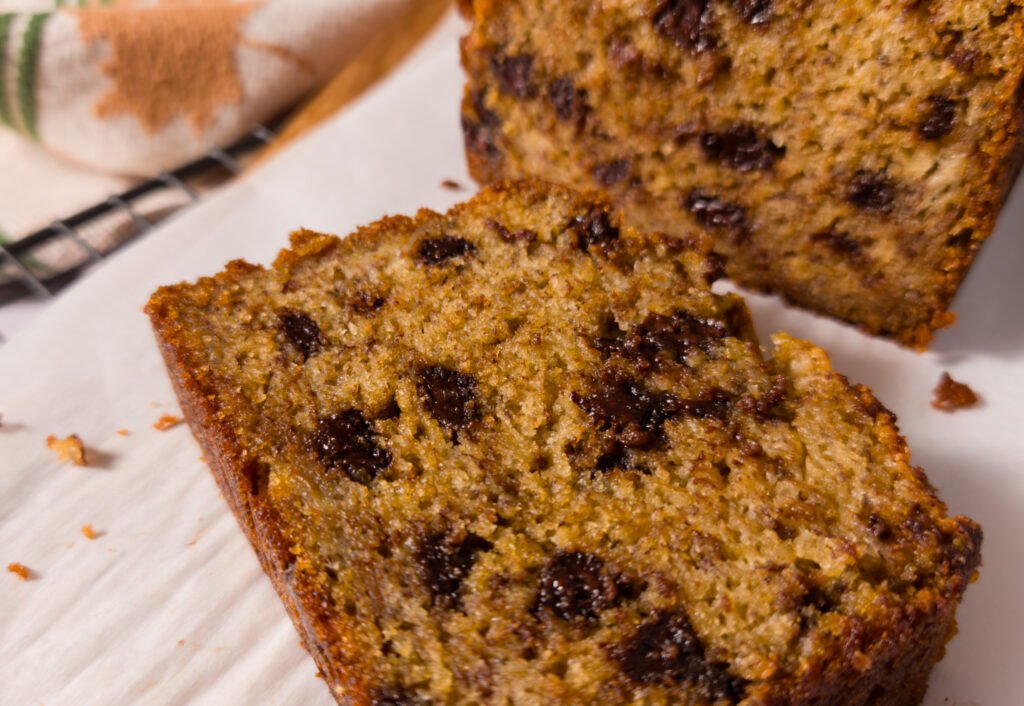
Freshly baked banana bread continues to set as it cools. Cutting into it too early can result in a gummy or compressed crumb, even when the loaf is properly baked.
Variations and Optional Add-Ins
One of the advantages of this recipe is its versatility. The base banana bread is delicious on its own, but there are several ways to customize it.
- Chocolate Chip Banana Bread: Fold in 100–125 g of semisweet or dark chocolate chips for pockets of chocolate throughout the loaf.
- Walnut Banana Bread: Add 60–75 g of chopped, lightly toasted walnuts for a pleasant crunch and complementary nutty flavor.
- Pecan Banana Bread: Substitute toasted pecans for walnuts to introduce a slightly sweeter, buttery flavor.
- Chocolate and Nuts: Combine chocolate chips with toasted walnuts or pecans, reducing the individual quantities slightly to avoid overcrowding the batter.
For a simple finishing touch, reserve a small portion of the chocolate chips or nuts and scatter them over the batter before baking.
Storage and Freezing
Room Temperature
Allow the banana bread to cool completely before wrapping it tightly or transferring it to an airtight container.
Store at room temperature for approximately 2 days. Keeping the loaf well covered helps prevent it from drying out.
Refrigerator
For longer storage, refrigerate the banana bread in an airtight container for up to 5 days.
Refrigeration can firm up the crumb, so allow individual slices to return to room temperature or warm them briefly before serving.
Freezer
Banana bread freezes exceptionally well.
Wrap the cooled loaf or individual slices tightly in plastic wrap, then place them in a freezer-safe bag or airtight container.
Freeze for up to 3 months for the best quality.
Thaw at room temperature before serving, or gently warm individual slices in the microwave or toaster oven.
Frequently Asked Questions
Can I use frozen bananas?
Yes. Thaw the bananas completely before using them. Frozen bananas release considerable liquid as they thaw, so mash them and include their released juices as part of the measured 300 g total.
Why is my banana bread gummy in the center?
A gummy center can result from underbaking, excessive moisture, or cutting the loaf before it has cooled sufficiently.
Measure the bananas carefully, avoid overmixing, and verify that the center is fully baked before removing the loaf from the oven.
Can I use regular melted butter instead of browned butter?
Yes, although the finished bread will lack the distinctive toasted, nutty flavor that defines this recipe.
Because regular melted butter retains more water than browned butter, the texture may also differ slightly.
Can I make this banana bread without chocolate chips or nuts?
Absolutely. Both are optional additions. The recipe is designed to be flavorful and moist without either ingredient.
Why did my banana bread sink in the middle?
A sunken center can result from underbaking, too much leavening, or opening the oven before the loaf has developed enough structure.
Ensure your baking soda is measured accurately and avoid opening the oven unnecessarily during the early stages of baking.