
These Chocolate Chip Oatmeal Coconut Cookies are soft in the center, lightly crisp around the edges, and packed with chewy oats, coconut, and plenty of chocolate chips. A combination of butter and coconut oil gives them rich flavour with a subtle coconut finish, while a rest in the fridge helps create a thick, chewy cookie with crisp, golden edges.
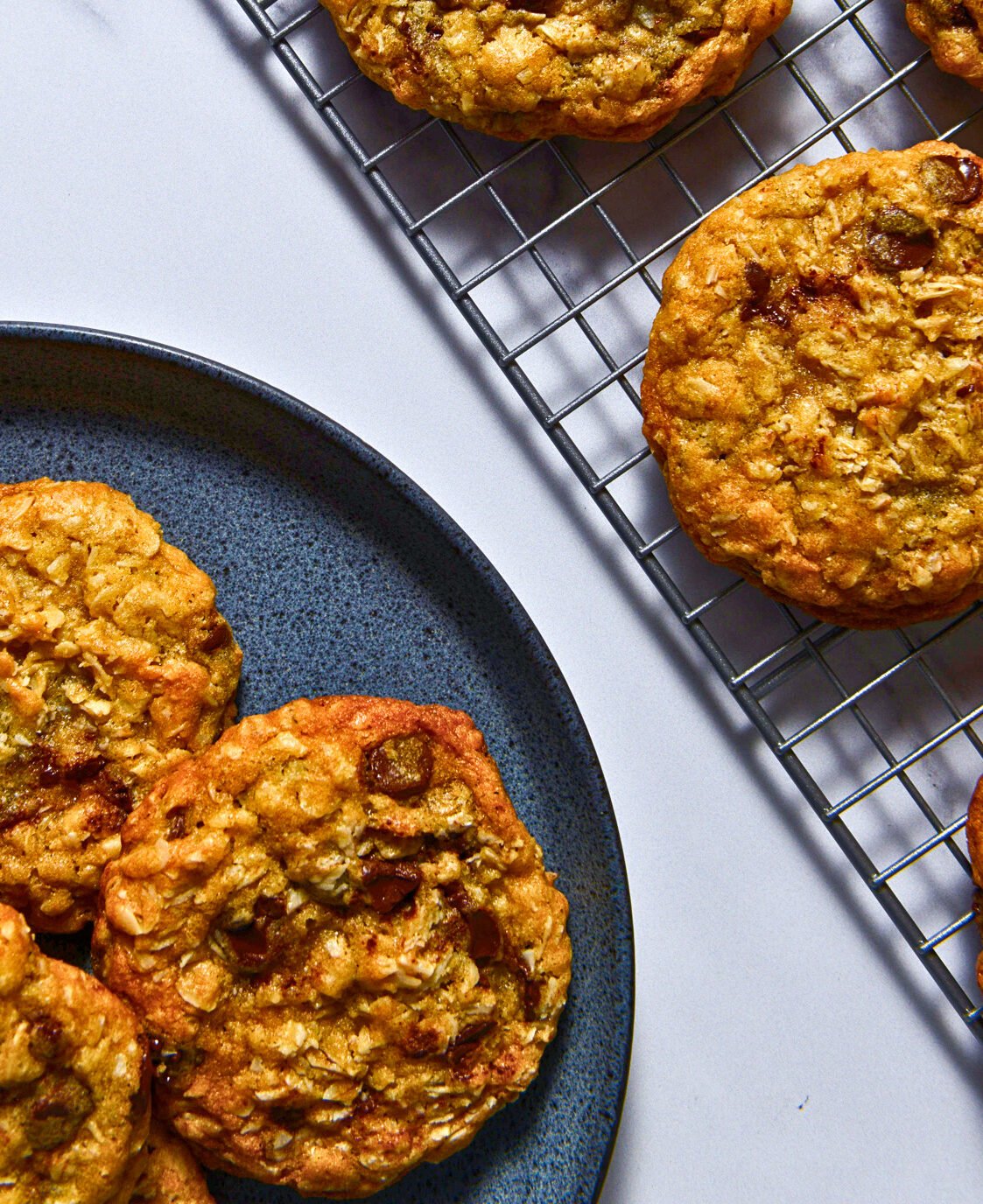
Chocolate Chip Oatmeal Coconut Cookies
Ingredients
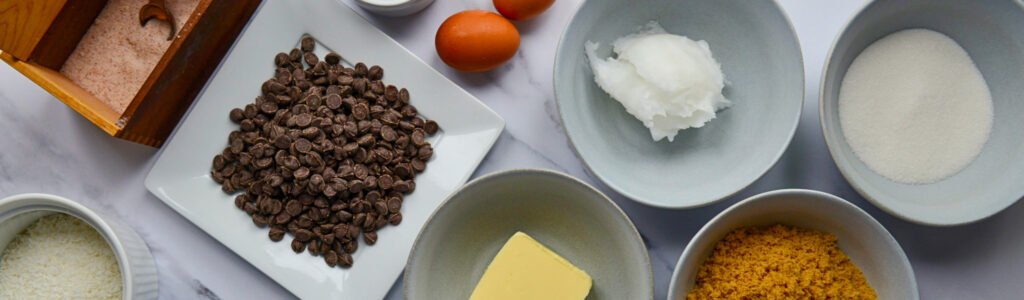
- 110 g virgin coconut oil
- 145 g unsalted butter, room temperature
- 100 g granulated sugar
- 220 g brown sugar
- 2 large eggs
- 1 1/2 tsp vanilla extract
- 1 tsp kosher salt
- 240 g all-purpose flour
- 1 tsp baking soda
- 1/2 tsp baking powder
- 225 g old-fashioned rolled oats
- 75 g unsweetened shredded coconut
- 200 g semi-sweet chocolate chips
Instructions
- In a medium bowl, whisk together the flour, rolled oats, shredded coconut, baking soda, baking powder, and salt until evenly combined. Set aside.
- In the bowl of a stand mixer fitted with the paddle attachment, combine the butter and coconut oil on medium speed until smooth and evenly incorporated. Avoid whipping or creaming the mixture until fluffy—we want to limit the amount of air incorporated into the dough to help maintain the cookies' dense, chewy texture.
- Add the brown sugar and granulated sugar and mix on medium-low speed until thoroughly combined, scraping down the sides and bottom of the bowl as needed.
- Reduce the mixer to low speed and add the eggs. Mix until fully incorporated, about 60 seconds. Scrape down the bowl, add the vanilla extract, and mix for another 30 seconds.
- Add the dry ingredients and mix on low speed just until no visible streaks of flour remain. Avoid overmixing. If the mixer begins to struggle as the dough thickens, finish incorporating the dry ingredients by hand with a spatula.
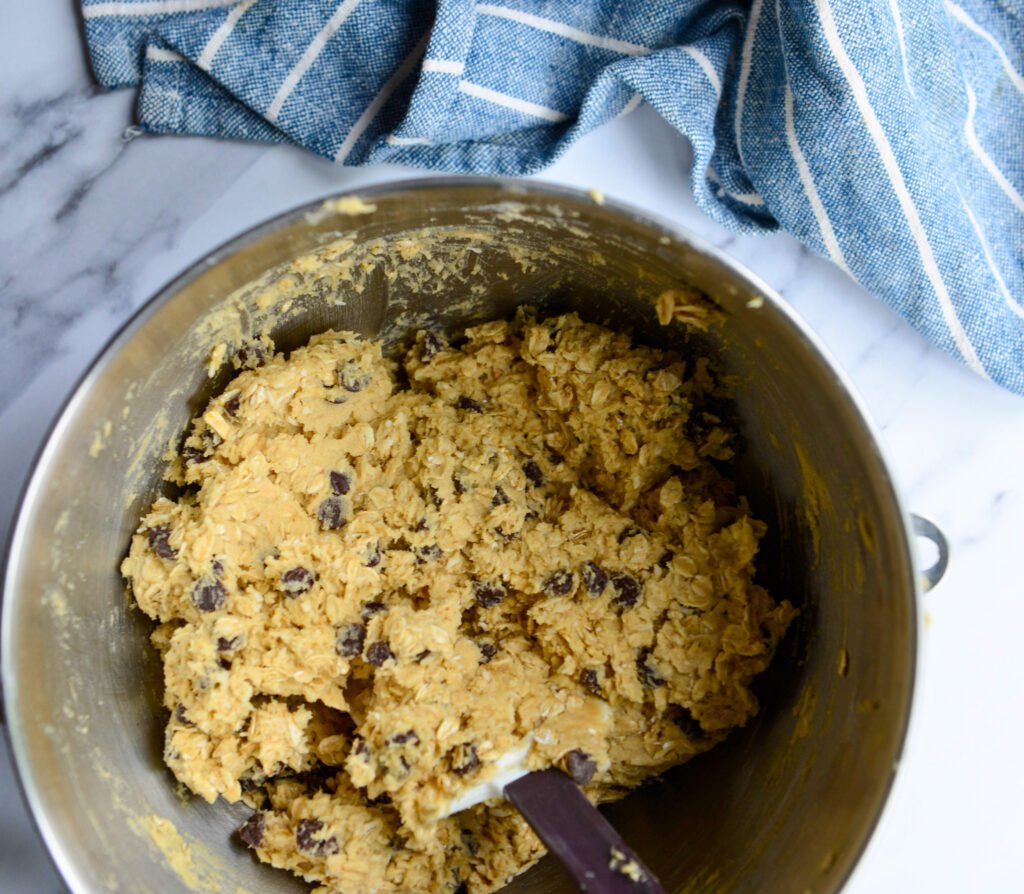
- Add the chocolate chips and fold them into the dough with a spatula until evenly distributed.
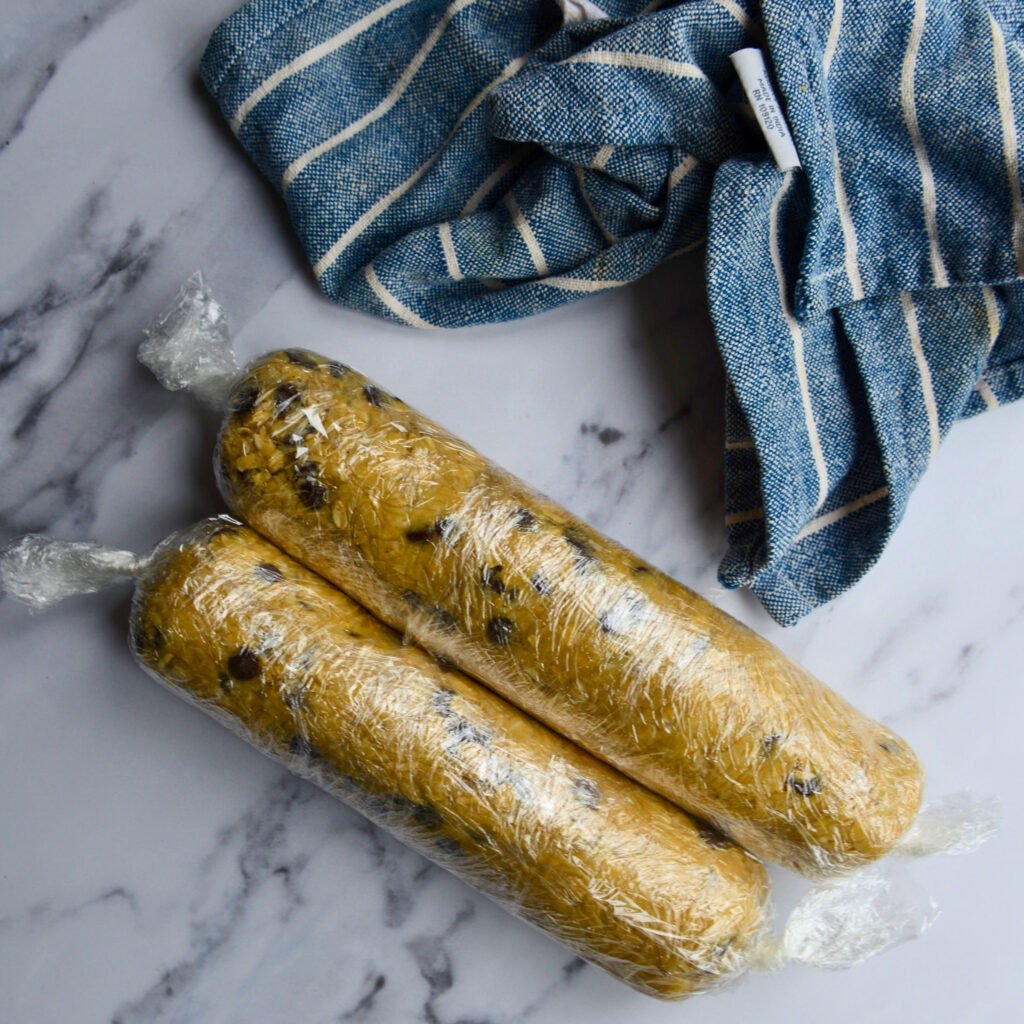
- Portion the dough into approximately 70 g (2½ oz) mounds and arrange them on a parchment-lined baking sheet or tray. Cover and refrigerate for at least 2 hours, or preferably overnight. Resting the dough allows the flour and oats to fully hydrate and helps the cookies maintain their shape and develop a thicker, chewier texture during baking.(Cookies can be portioned larger or smaller if desired; adjust the baking time accordingly.)
- When ready to bake, preheat the oven to 350°F (175°C). Arrange the chilled cookie dough on parchment-lined baking sheets, leaving approximately 3 inches between each cookie.
- Bake on the middle rack for 15-17 minutes, rotating the baking sheet halfway through. The cookies are ready when the edges are golden brown and set but the centers still appear slightly soft. Avoid baking until the centers look completely done—they will continue to set as they cool.
- Leave the cookies on the baking sheet for 10 minutes before transferring them to a cooling rack. Once completely cooled, store in an airtight container.
Building a Better Oatmeal Cookie
A great oatmeal cookie is all about texture. It should have enough structure to hold together, plenty of chew from the oats, crisp edges, and a center that stays soft long after it leaves the oven. For these cookies, that balance comes from a few deliberate choices rather than any one ingredient.
Butter provides richness and familiar cookie flavour, while virgin coconut oil complements the shredded coconut and changes the way the cookie eats. The fat and sugar aren’t aggressively creamed, keeping the dough from becoming overly aerated, and the finished dough gets plenty of time to rest before baking. That rest is especially important in a dough loaded with oats and coconut, giving the dry ingredients time to hydrate while the chilled fats help control how the cookies spread in the oven.
Finally, they’re pulled from the oven while the centers are still slightly soft and allowed to finish setting on the baking sheet. The result is the oatmeal cookie we’re after: golden and lightly crisp around the outside, substantial and chewy through the middle, with coconut and chocolate running through every bite.
Butter & Coconut Oil: The Best of Both
Using both butter and virgin coconut oil gives these cookies the benefits of each fat. Butter brings richness and the familiar flavour we expect from a great cookie, while coconut oil reinforces the flavour of the shredded coconut and contributes to the cookie’s texture. Together, they create a rich, buttery cookie with a subtle coconut flavour without allowing either one to dominate.
The Case for Less Air
Many cookie recipes call for creaming the butter and sugar until light and fluffy, which incorporates air into the dough. For these cookies, we’re deliberately looking for less aeration. Mix the butter and coconut oil until combined, then incorporate the sugars without whipping the mixture excessively. This helps create a denser dough and contributes to the substantial, chewy texture we’re looking for in the finished cookie.
Give the Dough Time
Don’t skip the rest. Giving the dough at least two hours in the refrigerator allows the flour and oats time to properly hydrate as they absorb moisture from the dough. At the same time, chilling firms the butter and coconut oil, so the cookies enter the oven cold and spread more gradually as they bake. An overnight rest is even better when time allows.
Pull Them Before They Look Done
The edges should be golden and set, but the centers should still look slightly soft when the cookies come out of the oven. Don’t wait for the centers to look completely baked. Leave the cookies on the hot baking sheet for 10 minutes, where the residual heat will continue to set the centers without overbaking them. This is key to keeping the middle soft and chewy while the edges remain lightly crisp.
Storing & Freezing
Once completely cooled, store the cookies in an airtight container at room temperature for up to 4–5 days. You can also freeze the baked cookies in an airtight container or freezer bag and thaw them at room temperature whenever the craving hits.
Better yet, freeze the dough and bake the cookies fresh. Portion the dough into individual mounds, chill until firm, then transfer them to a freezer-safe container or bag. Bake directly from frozen at 350°F (175°C), adding a few extra minutes to the baking time as needed. Look for the same cues as a fresh batch: golden, set edges with centers that still appear slightly soft.